
Latest market
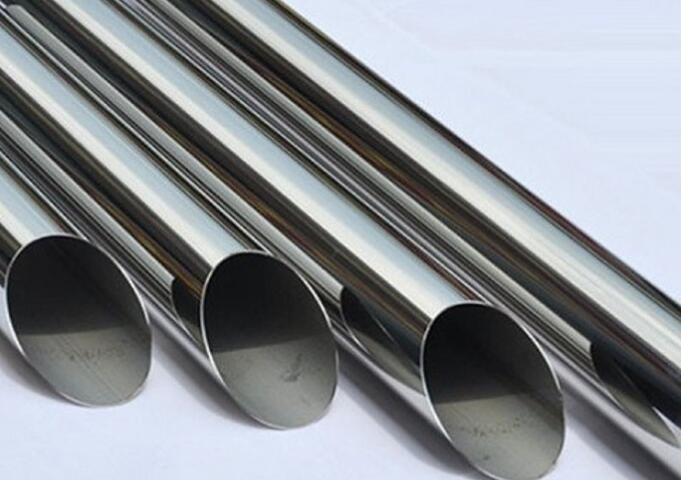 SUS316L stainless steel plate
2024-01-29
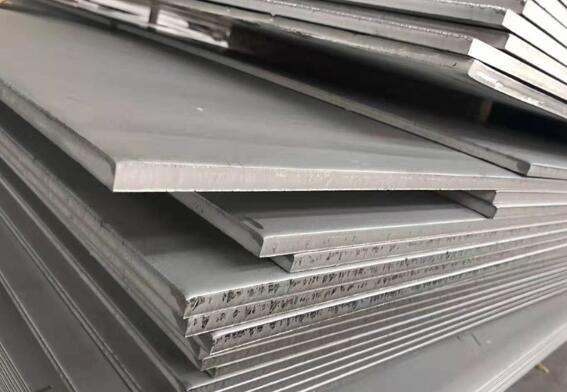 Cold rolled X6CrNiSiNCe19-10 stainless s
2024-01-29
Recommended news
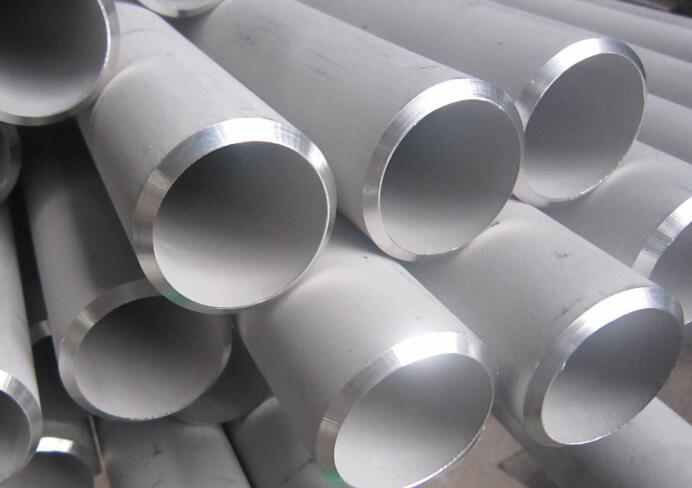 Material of stainless steel pipe fitting
2024-01-29
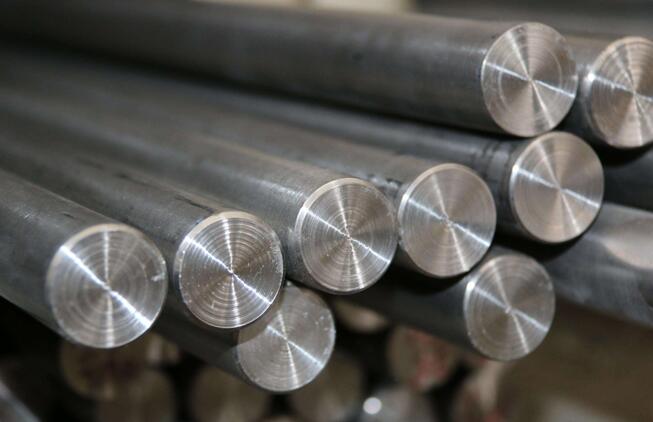 Environmental impact on stainless steel
2024-01-29

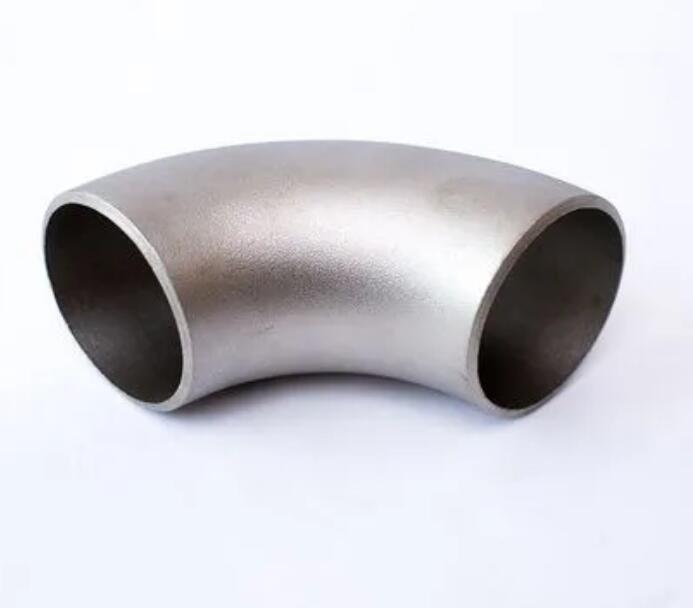
Corrosion of stainless steel 304 pipeline welds |
Publisher: Jiangsu Yushan Metal Technology Co., Ltd | Hits: 725 | Published on: 2024-1-29 14:53:35 | Close |
| 1、 Reasons for Corrosion of Stainless Steel 304 Pipeline Welds Weld defects: Improper operation or uneven material during the welding process may lead to defects such as porosity, inclusions, and lack of fusion in the weld. These defects will become hotspots at the beginning of corrosion, as they disrupt the integrity of the metal surface and make it easier for the corrosive medium to penetrate into the metal interior. Corrosive media: If there are corrosive gases or liquids in the working environment, such as chloride ions, hydrogen sulfide, oxidants, etc., these media will react with the metal surface, leading to corrosion. Especially the stress corrosion cracking (SCC) of stainless steel 304 in chloride ion environments often leads to serious safety accidents. Temperature and pressure: The temperature and pressure of the working environment are also important factors leading to corrosion. An increase in temperature can accelerate the oxidation reaction on the metal surface, while an increase in pressure may lead to the formation of cracks on the metal surface. These factors can all reduce the corrosion resistance of metal materials. Improper operation: If workers do not strictly follow the operating procedures during the operation process, it may cause damage or contamination to the metal surface. In addition, incorrect cleaning and maintenance methods may also lead to scratches or dirt on the metal surface, thereby increasing the risk of corrosion. Corrosion of stainless steel 304 pipeline welds 2、 Preventive measures for corrosion of stainless steel 304 pipeline welds Select high-quality materials: Choose high-quality stainless steel 304 material with stable chemical composition and mechanical properties, and avoid using materials containing impurities or inclusions. At the same time, it is necessary to ensure that the surface quality of the material is good, without obvious scratches, pits and other defects. Optimize welding process: adopt advanced welding technology and skills to ensure the quality of welds. During the welding process, welding parameters should be strictly controlled to avoid defects such as porosity and lack of fusion. At the same time, non-destructive testing should be carried out on the weld seam after welding, such as radiographic testing, ultrasonic testing, etc., to ensure that the quality of the weld seam meets the requirements. Enhanced anti-corrosion measures: Apply anti-corrosion coatings such as paint, fiberglass, etc. on the outer surface of pipelines to isolate the contact between metal surfaces and corrosive media. Meanwhile, wear-resistant coatings can be sprayed inside the pipeline to prevent wear and corrosion of the metal surface by the medium. Control the working environment: Minimize the use of corrosive media such as chloride ions and hydrogen sulfide in the working environment. At the same time, it is necessary to control the temperature and pressure of the working environment to avoid situations of high temperature and pressure, in order to reduce the occurrence of corrosion. Strengthen operational management: Establish strict operating procedures and rules to ensure that workers do not damage the metal surface or cause pollution during the operation process. At the same time, regular training and education should be provided to workers to enhance their operational skills and safety awareness. Corrosion of stainless steel 304 pipeline welds 3、 Repair method for corrosion of stainless steel 304 pipeline welds Polishing repair: For welds with surface defects such as scratches and dents, polishing repair can be used. Use sandpaper or a grinder to smooth out the defective area and then perform polishing treatment to restore the smoothness of the metal surface. Repair welding: For severe defects such as cracks or lack of fusion in the weld seam, repair welding can be used. first |
Previous: No more
Next: What is the difference between 30 series stainless steel and 40 series



 Scan
Scan