
Latest market
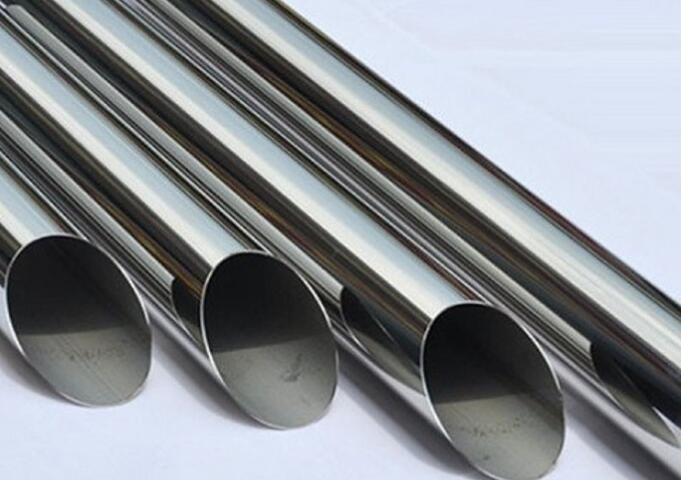 SUS316L stainless steel plate
2024-01-29
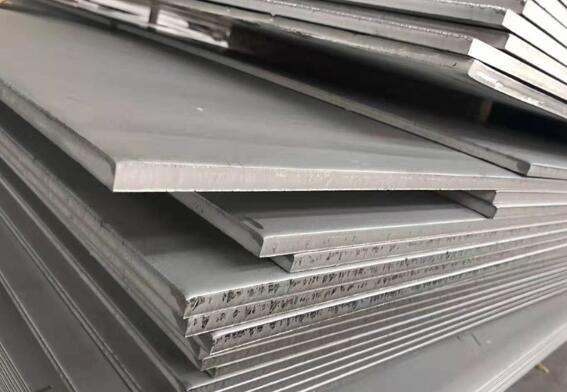 Cold rolled X6CrNiSiNCe19-10 stainless s
2024-01-29
Recommended news
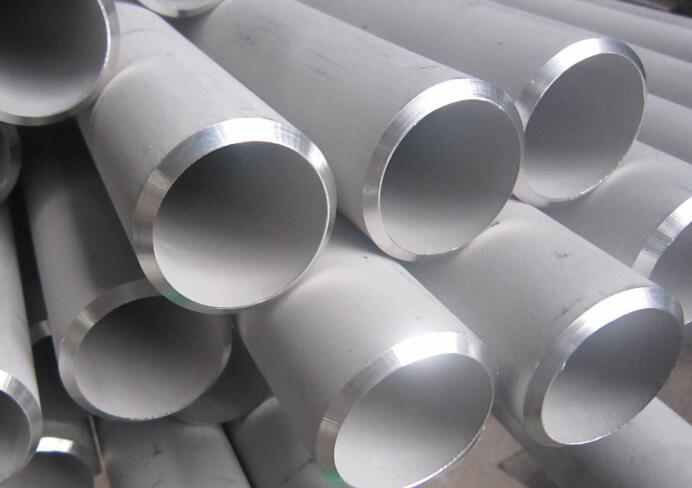 Material of stainless steel pipe fitting
2024-01-29
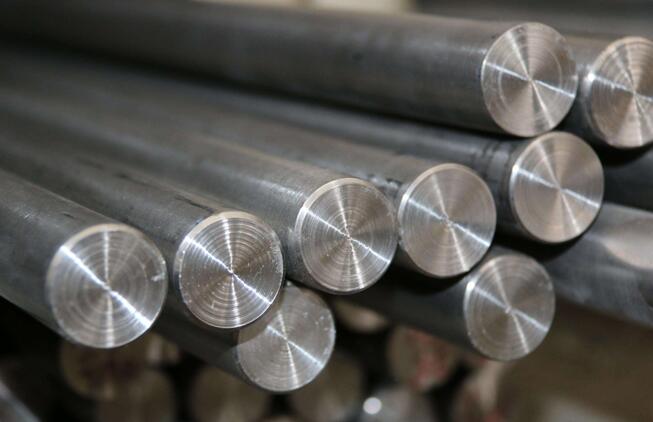 Environmental impact on stainless steel
2024-01-29

Environmental impact on stainless steel |
Publisher: Jiangsu Yushan Metal Technology Co., Ltd | Hits: 953 | Published on: 2024-1-29 12:14:21 | Close |
| What is the impact of low temperature environment on stainless steel? Firstly, the strength will decrease. Due to the low temperature, the lattice structure will be tightly packed, and the movement between atoms will slow down, thereby weakening the plasticity of the material. Secondly, the toughness decreases, and the crystal structure of the metal becomes more brittle at low temperatures, making it prone to fracture. Thirdly, it is beneficial for corrosion resistance. In low-temperature environments, the activity of corrosive media containing chloride in water will decrease. This alleviates the corrosion rate of stainless steel. What are the stainless steels that can withstand low temperatures of -100 ℃? Firstly, 304L stainless steel with national standard grade 022Cr19Ni10 can be used in low-temperature environments above -196 ℃, and its low-temperature impact toughness is good. In a low temperature environment of over -100 ℃, the risk of material embrittlement and fracture is relatively low. Secondly, 316L stainless steel, with the national standard grade 022Cr17Ni12Mo2, can generally be used at temperatures up to -269 ℃. Under extreme low temperature conditions, such as liquid nitrogen -196 ℃ and liquid oxygen -183 ℃, 316L stainless steel can still maintain good performance. When the temperature drops to -269 ℃, the strength and toughness of 316L stainless steel may decrease due to the influence of low temperature. What are the stainless steels that can withstand high temperatures above 1000 ℃? Firstly, 309S stainless steel, with national standard grade 06Cr23Ni13, can withstand heat up to 1050 ℃ and can be repeatedly heated below 980 ℃. It can be used for a long time under high loads between 650 and 700 ℃, and has excellent high-temperature acid resistance and high-temperature strength. Secondly, 310S stainless steel, national standard grade: 06Cr25Ni20, can withstand heat up to 1200 ℃ and can be continuously used below 1150 ℃, making it the mainstream grade of heat-resistant steel. |




 Scan
Scan