
Latest market
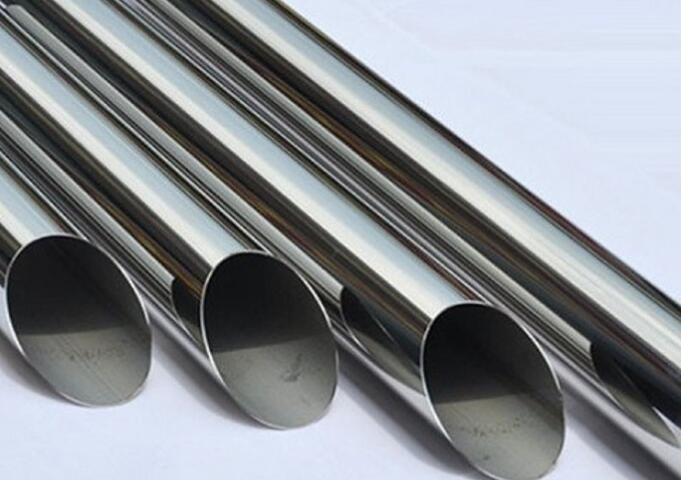 SUS316L stainless steel plate
2024-01-29
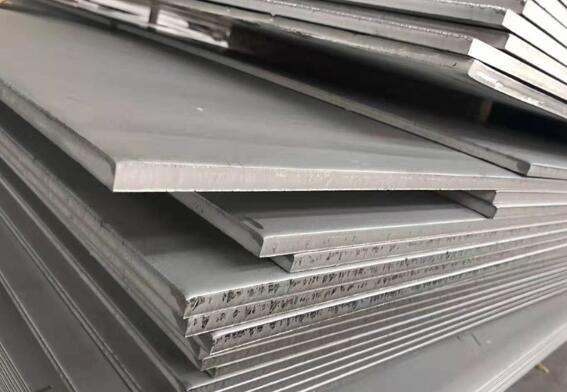 Cold rolled X6CrNiSiNCe19-10 stainless s
2024-01-29
Recommended news
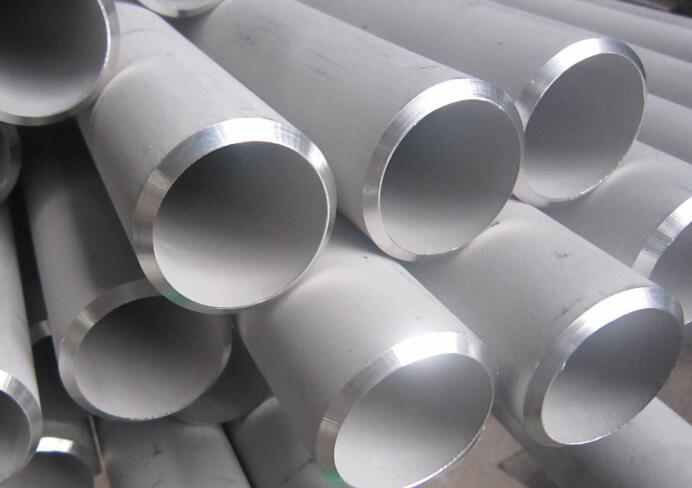 Material of stainless steel pipe fitting
2024-01-29
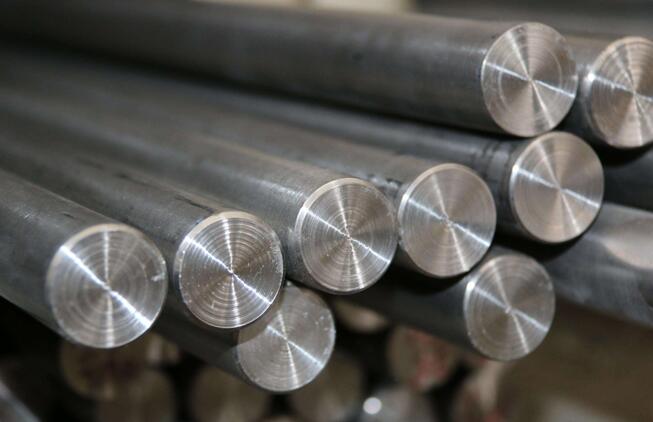 Environmental impact on stainless steel
2024-01-29

What is the difference between 30 series stainless steel and 40 series |
Publisher: Jiangsu Yushan Metal Technology Co., Ltd | Hits: 1799 | Published on: 2024-1-29 14:51:17 | Close |
| 30Cr13 (old brand 3Cr13): This is a martensitic stainless steel containing about 13% chromium and about 0.3% to 0.6% carbon. The presence of carbon enables the steel to form a martensitic structure after heat treatment, thereby endowing it with good hardness and wear resistance. However, the relatively high carbon content reduces its corrosion resistance and is mainly suitable for manufacturing components such as cutting tools and tableware that require high hardness. 40Cr13: It is also a martensitic stainless steel with a chromium content of about 13%, but the carbon content has increased to about 0.4%. A higher carbon content means a higher hardness after hardening, while also reducing its toughness and corrosion resistance. According to the Chinese national standard GB/T 20878-2007, this type of stainless steel is mainly used for making parts such as cutting tools, nozzles, and valve seats that require high strength and good wear resistance. 30 series stainless steel 2、 Mechanical properties and processing characteristics 30Cr13: Due to its lower carbon content, its hardness is lower compared to 40Cr13, but it may have advantages in weldability and machinability. The hardness in the annealed state is relatively low, making it suitable for subsequent machining and heat treatment operations; After quenching and tempering treatment, a certain degree of hardness and strength can be obtained. 40Cr13: Due to its high carbon content, the hardness is significantly improved after quenching and tempering treatment, making it more suitable for applications that require high hardness and wear resistance. However, as the hardness increases, plasticity and toughness will correspondingly decrease, which may pose challenges for the forming and welding of complex shaped parts. 3、 Corrosion resistance and practical applications 30Cr13: Although it contains sufficient chromium to provide a certain degree of corrosion resistance, its corrosion resistance is not as excellent as low alloy austenite or duplex stainless steel due to the influence of carbon content. Under unprotected conditions, prolonged exposure to humid environments is prone to rusting. 40Cr13: Compared to 30Cr13, its corrosion resistance has not fundamentally changed, mainly because the chromium content of the two is the same. Therefore, whether 30Cr13 or 40Cr13, their corrosion resistance is limited and they focus more on mechanical performance rather than long-term corrosion resistance. 4、 Example reference and academic exploration In practical engineering applications and scientific research, performance optimization of martensitic stainless steel has always been a research hotspot. For example, relevant papers published in Materials Science and Engineering: A may delve into the microstructure evolution, mechanical properties, and corrosion behavior of martensitic stainless steel. By citing and analyzing these research findings, we can further understand the specific differences between 30Cr13 and 40Cr13, including their applicability and improvement potential under different service conditions. The main difference between 30Cr13 and 40Cr13 stainless steel lies in the changes in hardness and mechanical properties caused by carbon content, as well as the different adaptability of processing and corrosion resistance resulting from this. The choice of material to use depends on specific engineering requirements. For applications that require higher hardness and wear resistance, 40Cr13 is usually preferred, while considering processability and moderate corrosion resistance |



 Scan
Scan