
Latest market
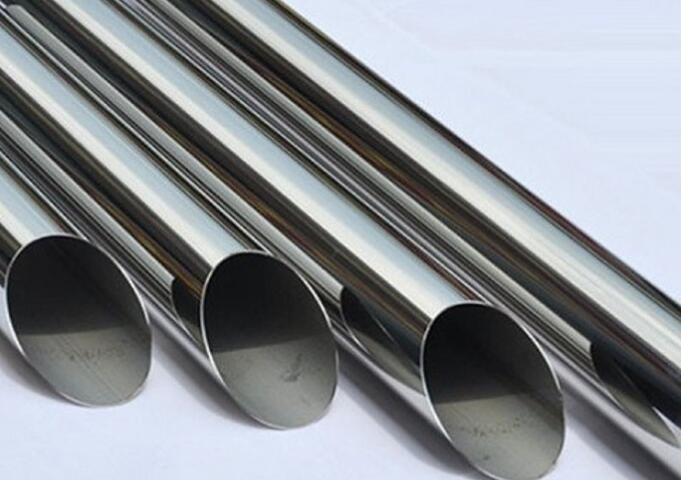 SUS316L stainless steel plate
2024-01-29
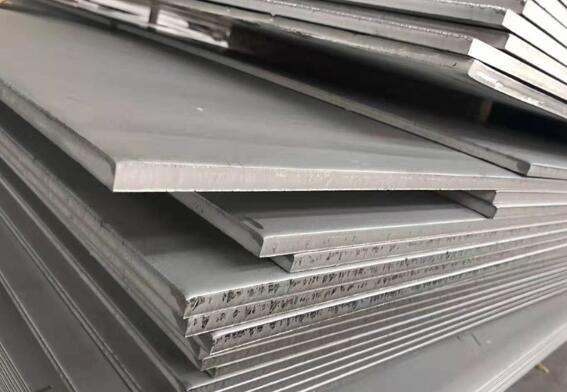 Cold rolled X6CrNiSiNCe19-10 stainless s
2024-01-29
Recommended news
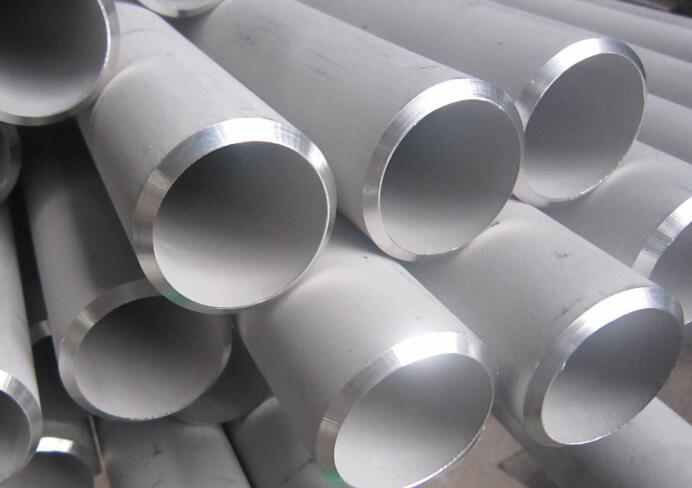 Material of stainless steel pipe fitting
2024-01-29
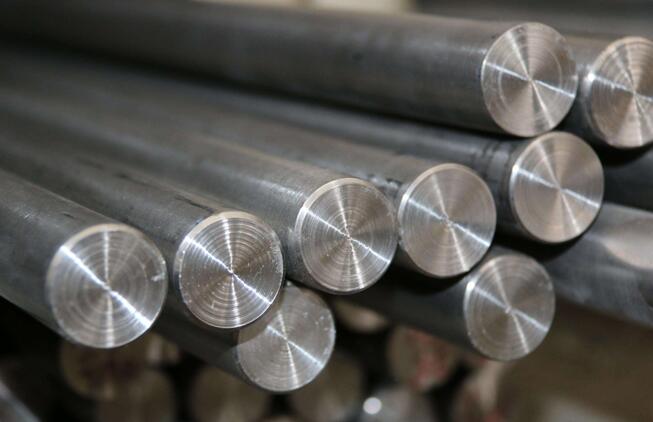 Environmental impact on stainless steel
2024-01-29

Which is 304 or 316 stainless steel resistant to high temperatures? |
Publisher: Jiangsu Yushan Metal Technology Co., Ltd | Hits: 991 | Published on: 2024-1-29 12:12:07 | Close |
| High temperature resistance of 304 stainless steel: 304 stainless steel is a common stainless steel material with good corrosion resistance and weldability. In high-temperature environments, 304 stainless steel has good tolerance and can withstand temperatures up to 800 ° C. However, when the temperature exceeds 800 ° C, the performance of 304 stainless steel may be affected, making it prone to intergranular corrosion and stress corrosion cracking. High temperature resistance of 316 stainless steel: 316 stainless steel is a stainless steel material with higher corrosion resistance, suitable for more harsh environmental conditions. Compared with 304 stainless steel, 316 stainless steel has stronger resistance to high temperature environments. It can withstand temperatures up to 900 ° C and still maintain good corrosion resistance at high temperatures. This makes 316 stainless steel an ideal choice, especially in the chemical industry and marine environments. Choosing the appropriate material: When choosing between 304 and 316 stainless steel, it is necessary to decide based on the specific application environment and requirements. If working in a high-temperature environment and the temperature does not exceed 800 ° C, 304 stainless steel is an economical choice. However, if higher temperature resistance is required, especially in harsh corrosive environments, 316 stainless steel is a better choice. 304 and 316 stainless steel both have good high-temperature resistance, but 316 stainless steel has stronger resistance to high temperature environments. The selection of suitable materials depends on specific application requirements and environmental conditions. Before making a choice, it is recommended to consult professionals for more accurate advice. Summary: This article compares the tolerance of 304 and 316 stainless steel in high-temperature environments. Although both materials have good high-temperature resistance, 316 stainless steel performs better in high temperature and corrosive environments. When selecting materials, a balance should be made based on specific needs and environmental conditions. I hope this article can provide readers with valuable information to help them make wise decisions. |




 Scan
Scan